

Transform Vascular Access With HydroMID® and HydroPICC®
The only drug-free catheters with an anti-thrombogenic indication from the FDA.*
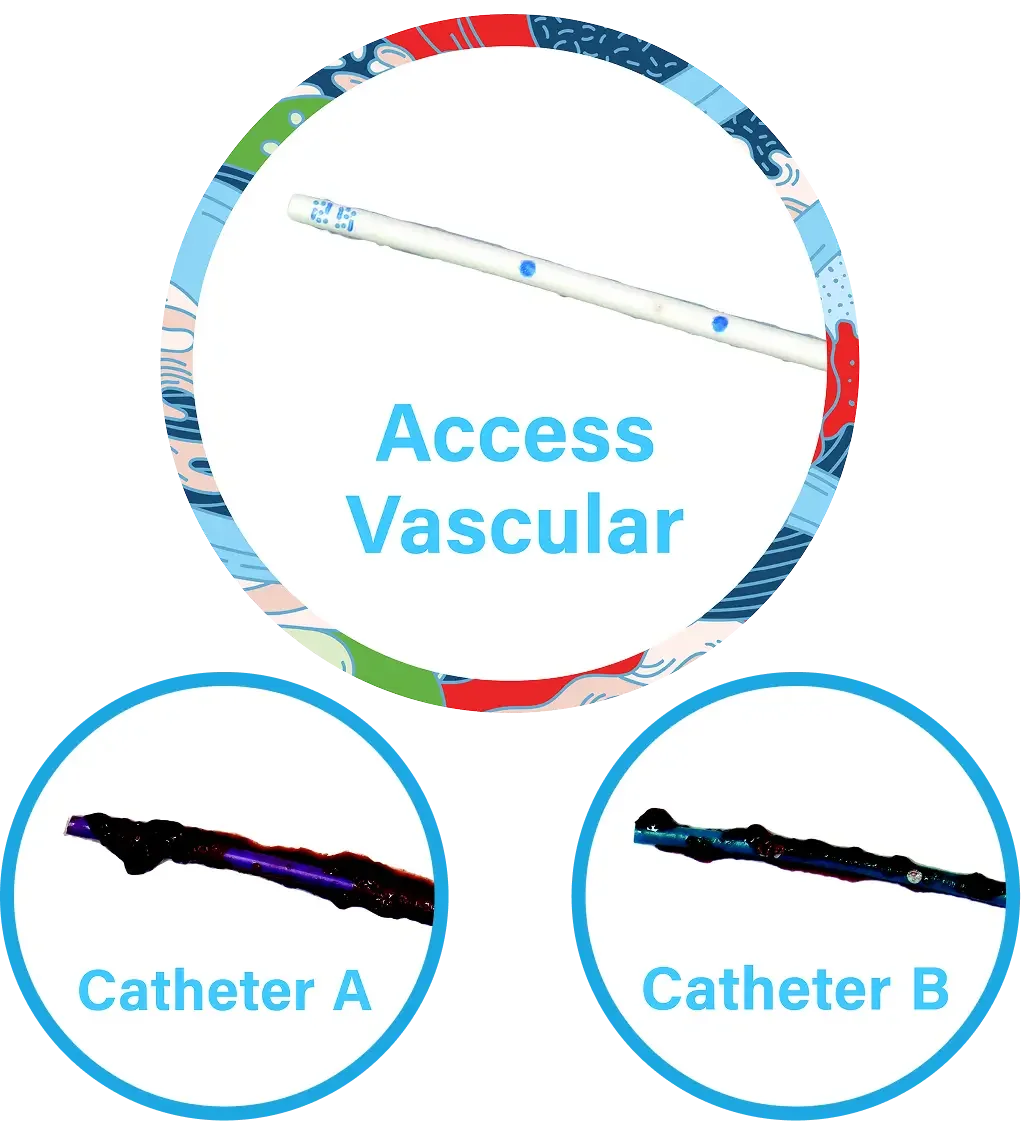
Tackling the Most Common and Costly Complications in Vascular Access
Access Vascular develops solutions for front-line clinicians like you who juggle placing lines, maintaining them, and dealing with complications from line failures.

In peripherally inserted central lines (PICCs), studies report 15-30% complication rates with occlusion, thrombosis, and infection being the most frequent complications.¹ ²

Studies also showed a 5 day increase in length of stay in PICC insertions or revisions with thrombosis or infection.²
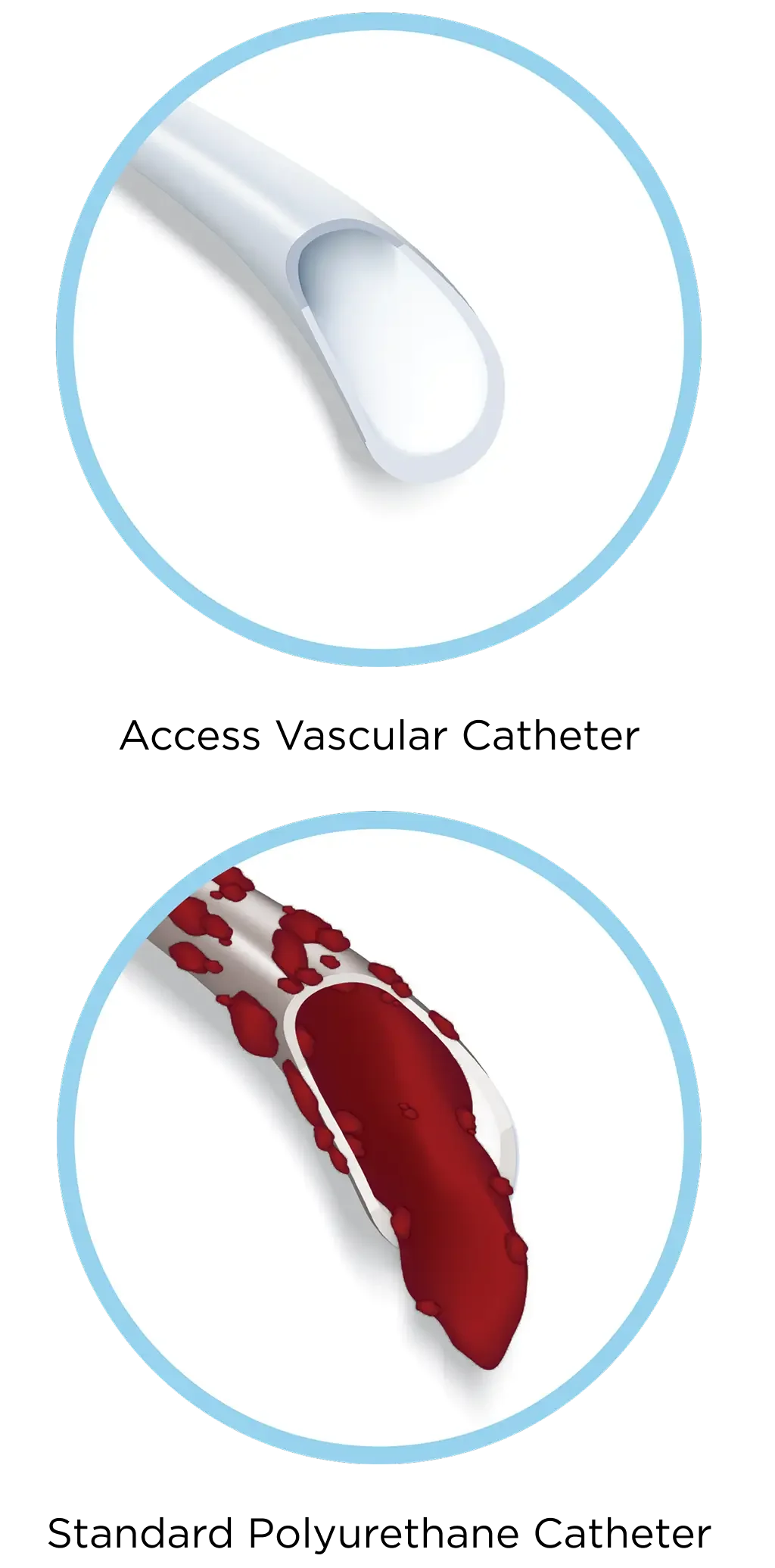

Polyurethane-based catheter innovation has reached its limit
While polyurethane is the standard material that is currently used for catheters, it has increasingly proven to be a substandard solution for patient care. Complication rates are high, with thrombus accumulation as a leading factor.
“The risk of device failure due to noninfectious or infectious complications was not lower with hydrophobic or chlorhexidine PICCs than with standard polyurethane PICCs."
From 1,098-patient RCT published in the New England Journal of Medicine¹
Move Vascular Access Forward
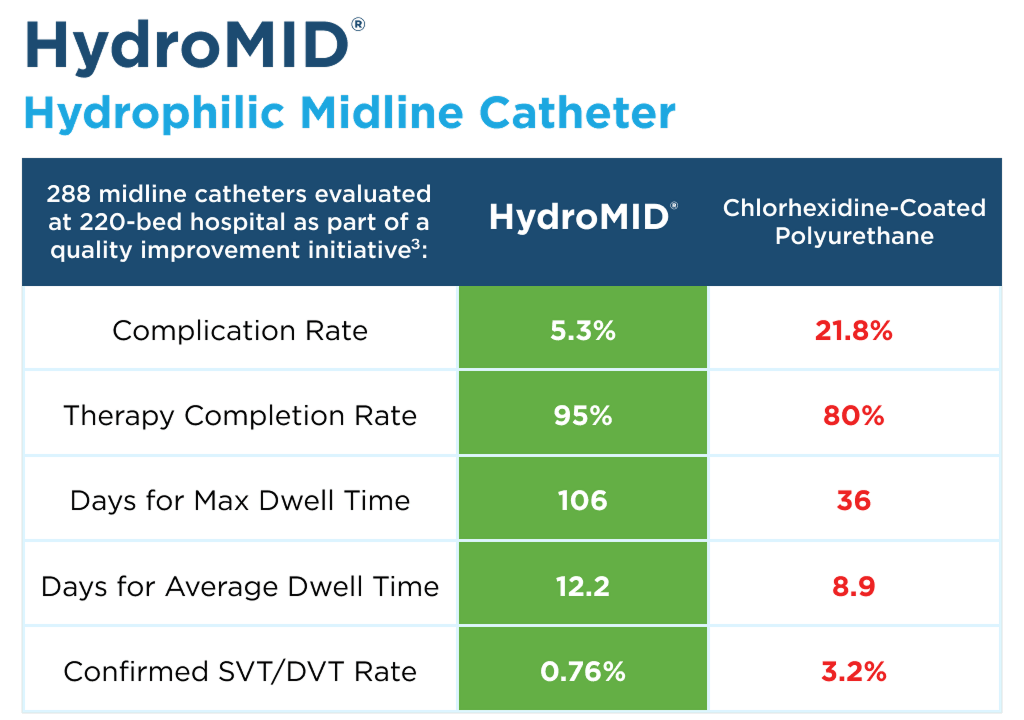
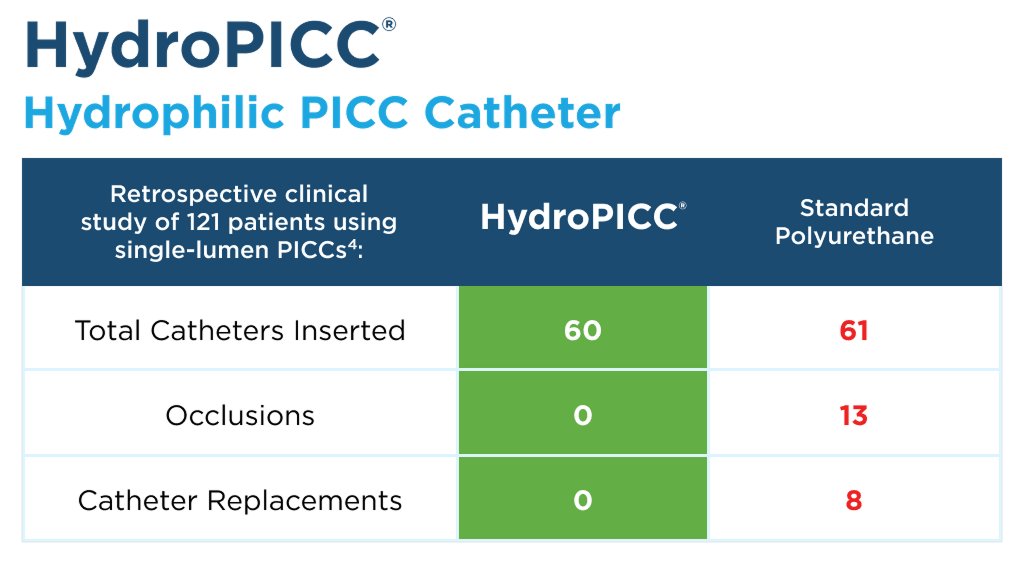
Innovative MIMIX® Technology is Designed to Reduce Thrombosis
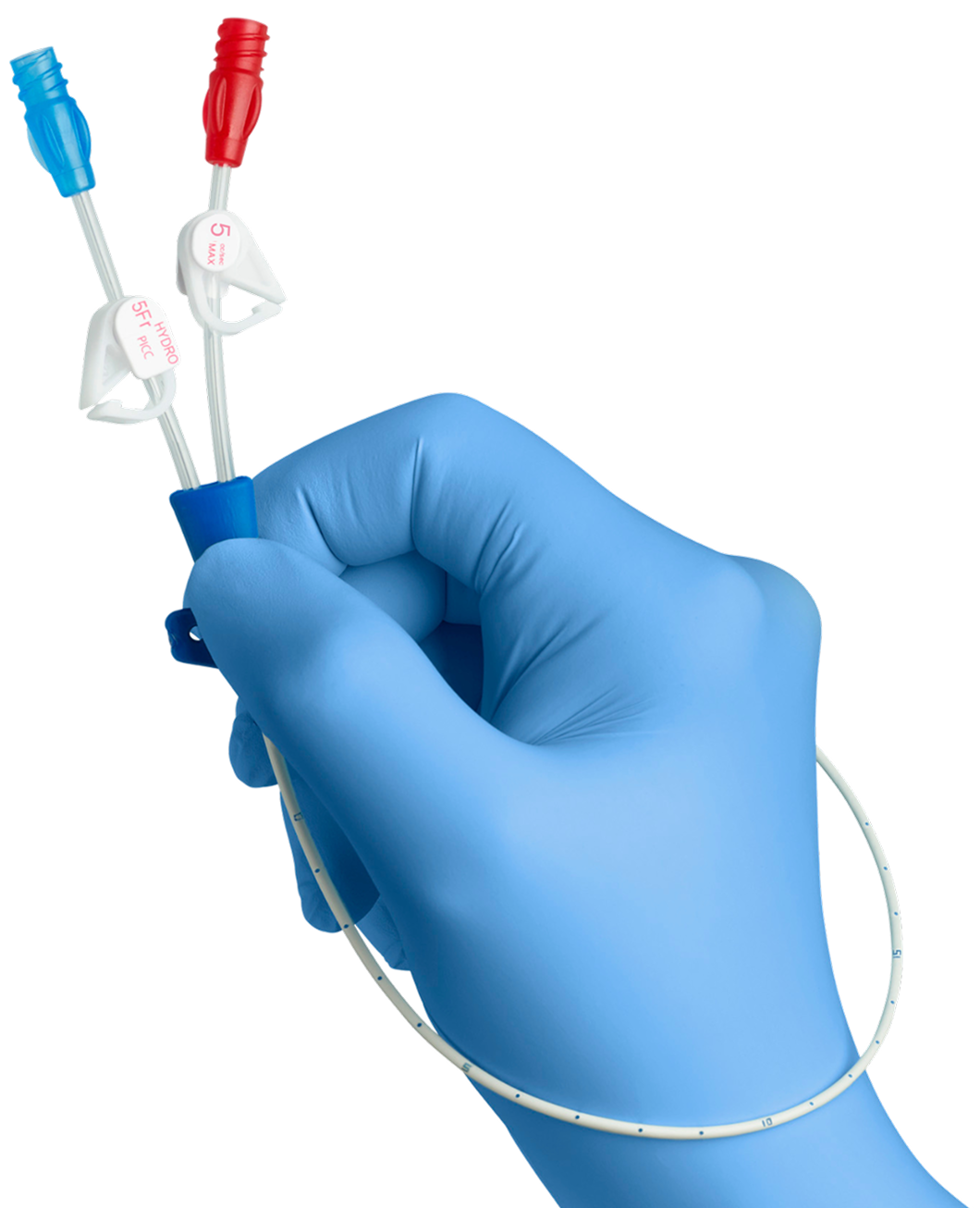
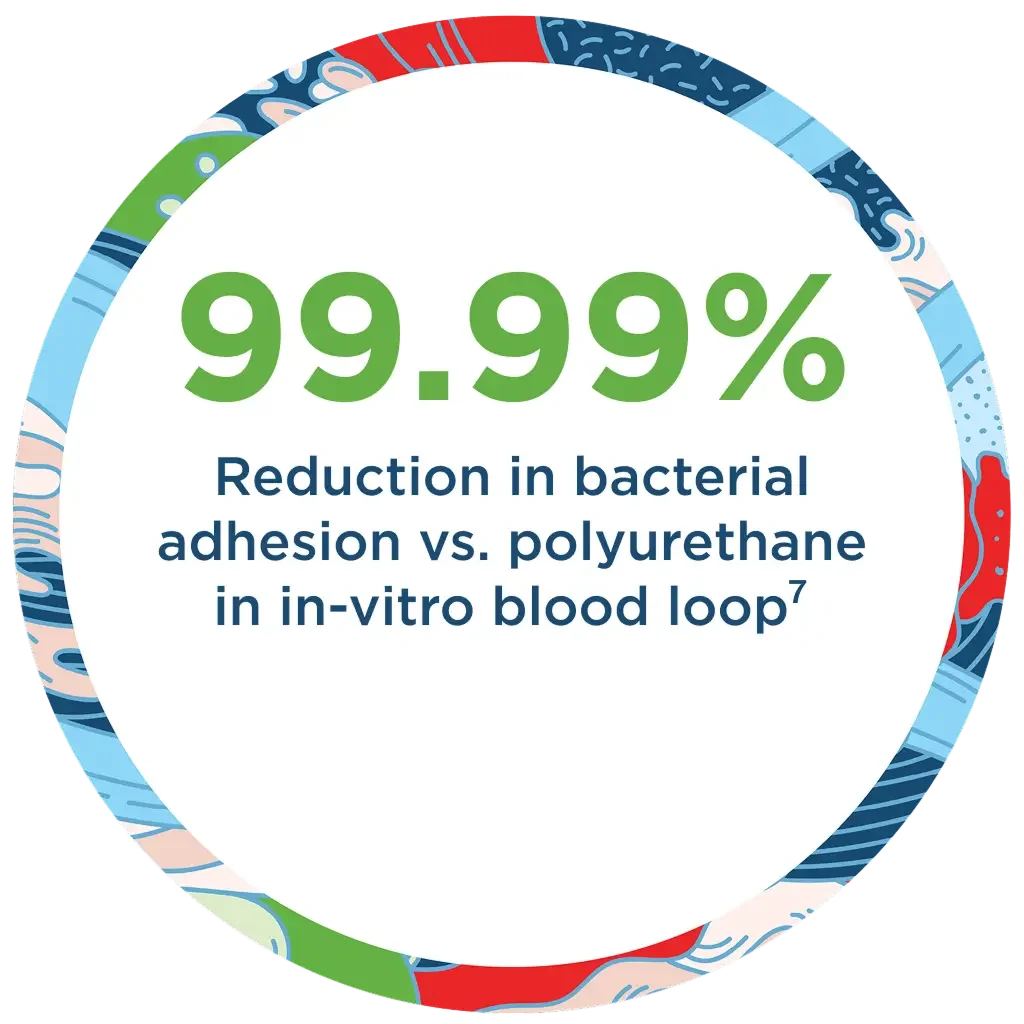
Our HydroMID® and HydroPICC® catheters with MIMIX® technology feature a proprietary hydrogel material with anti-thrombogenic properties to help address catheter-related complications such as thrombosis and occlusion – potential sources of morbidity, readmissions, and cost for health systems.**
-NOT made of polyurethane
-NO drug coatings or surface modifications
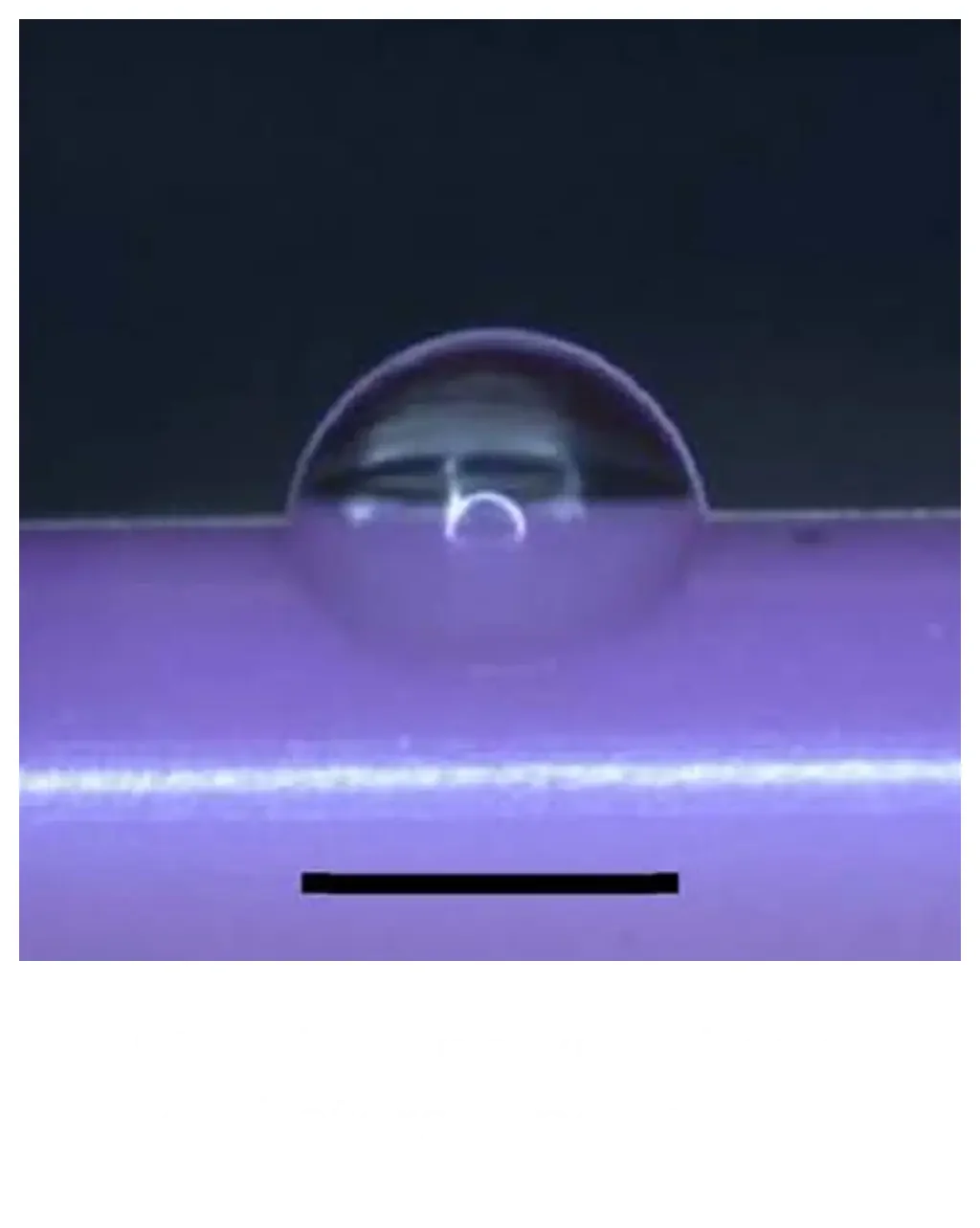
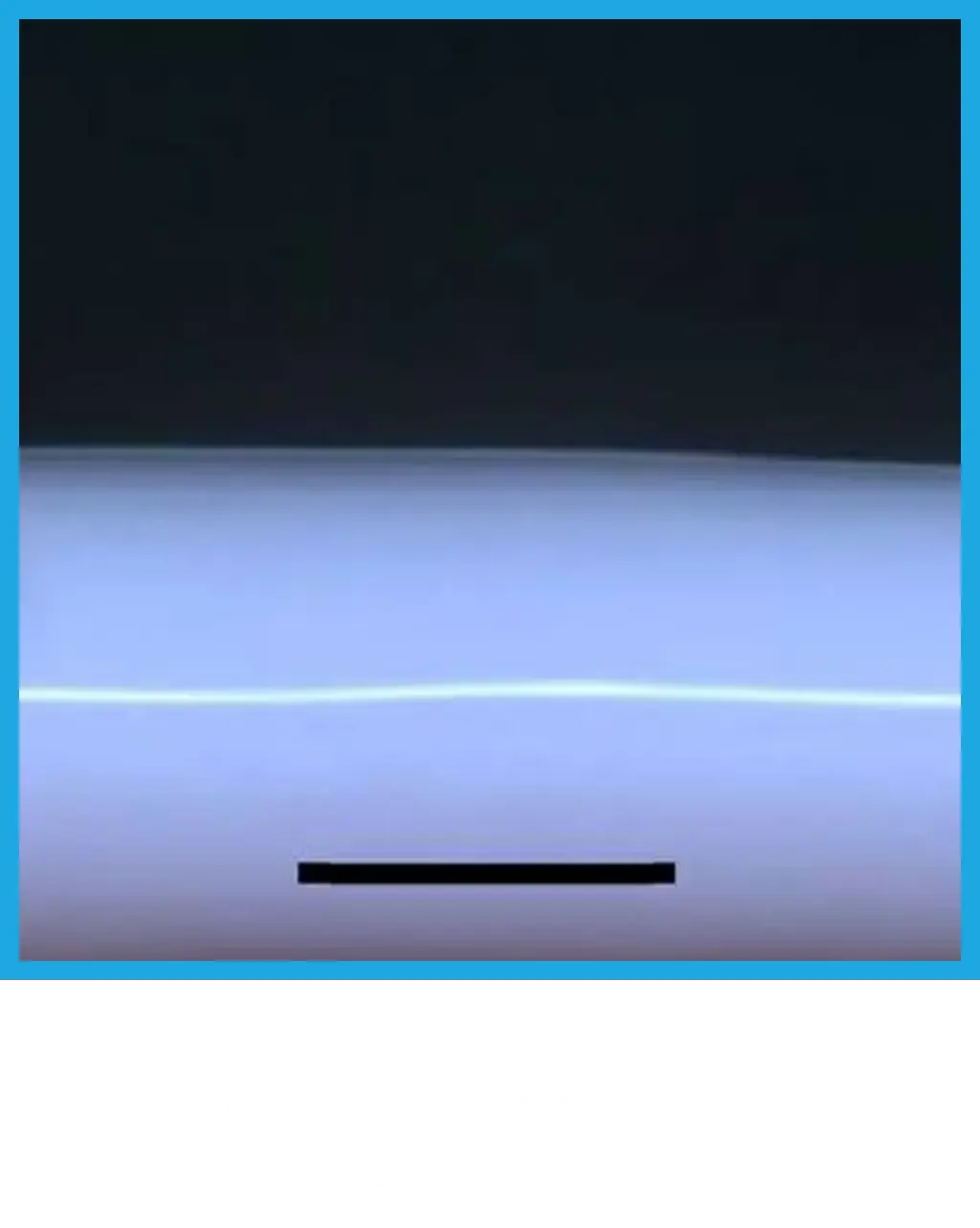
The hydrophilic biomaterial absorbs water instead of repelling it, making it a slippery surface to reduce thrombus accumulation.
-

Reduce Treatment Delays
Fewer premature catheter failures and replacements can mean fewer repeat procedures, fewer unnecessary needle sticks, and less interruption to the patient’s prescribed therapy. This can improve patient satisfaction and workflow efficiency for the team.
-

Support Longer Dwell
Designed to reduce thrombus accumulation and support reliable catheter performance, helping patients continue therapy with fewer replacements or unnecessary escalation to more invasive devices and the complications that come with them.
-

Reduce Device Complications
Catheter-related thrombosis and occlusion can lead to pain, swelling, loss of the vessel, additional treatment, and escalation to more invasive access. MIMIX® Technology is designed to reduce thrombus accumulation at the catheter surface, helping to reduce the burdens on patients and the clinical team.
Let the Catheter Material Work for You, Not Against You

Clinical
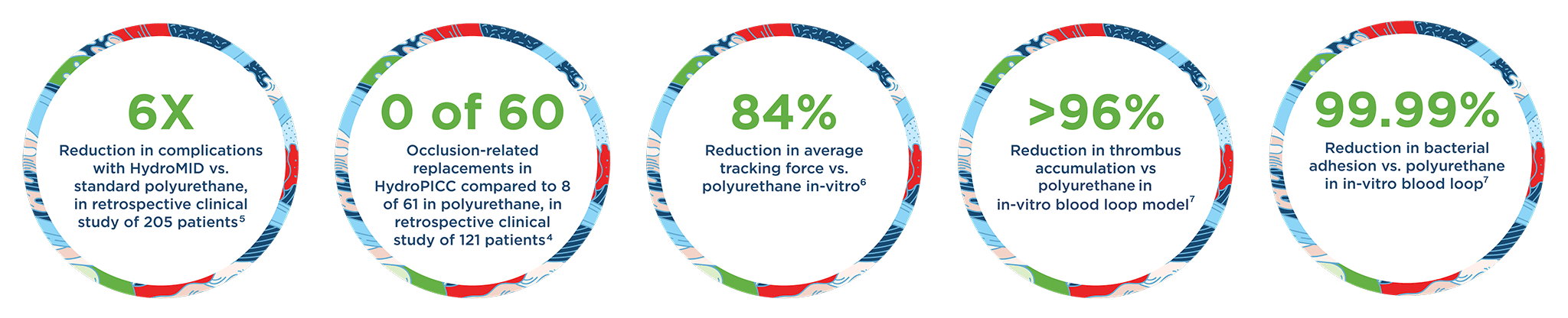

In-Vitro
Let the Catheter Material Work for You, Not Against You
Clinical
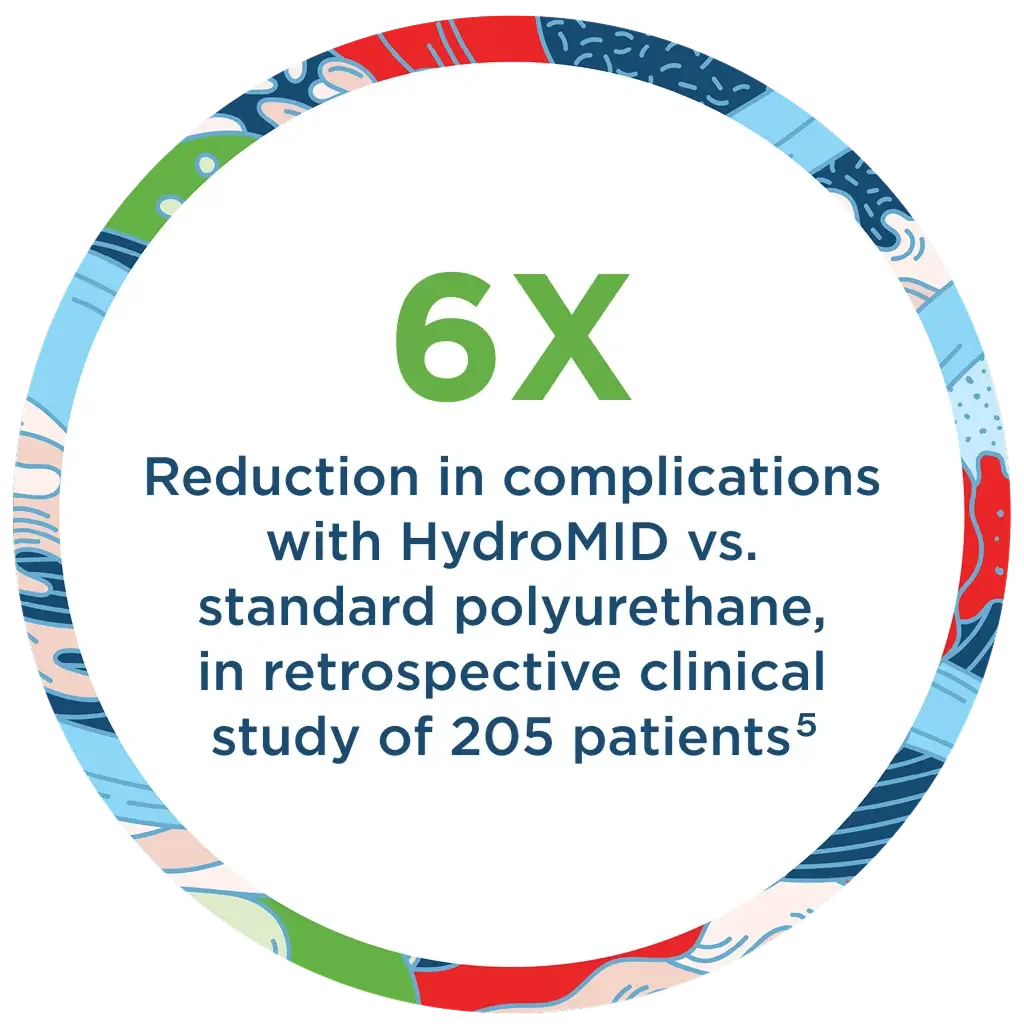
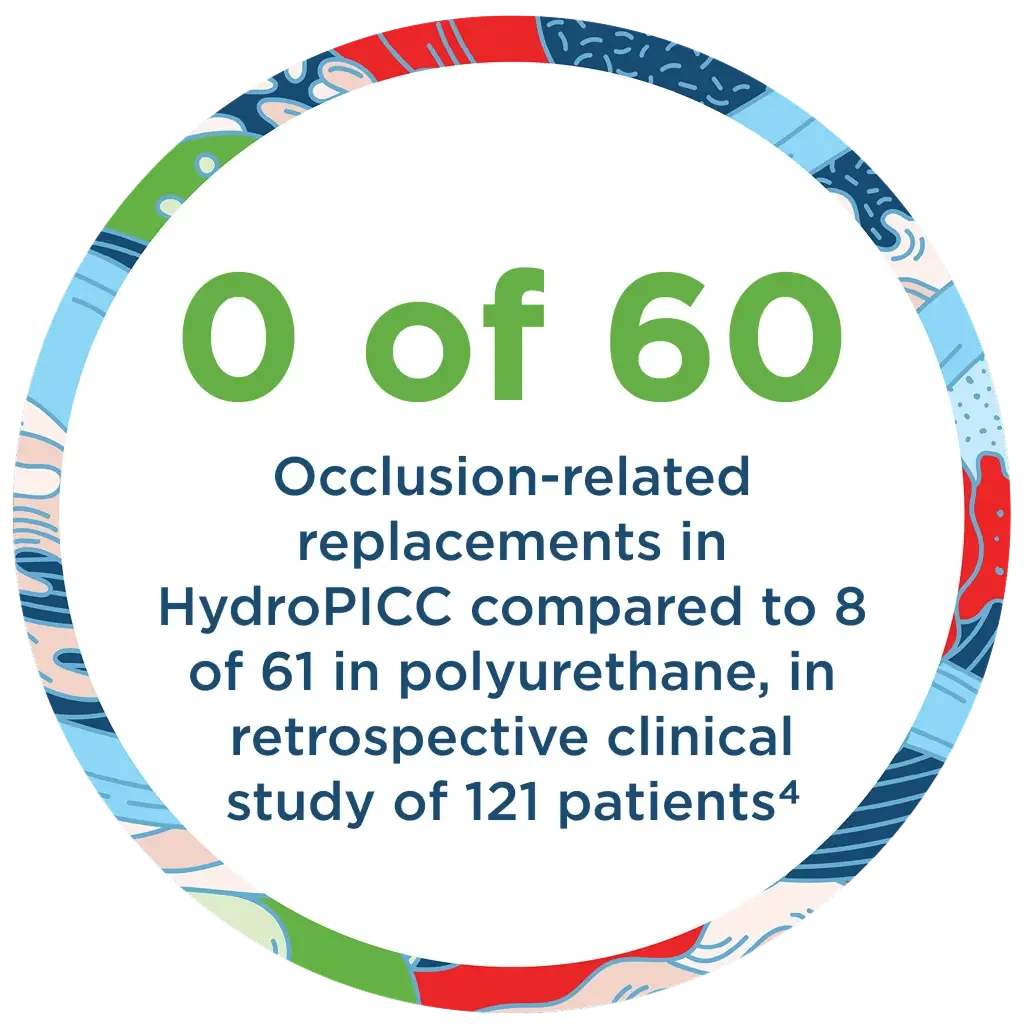
In-Vitro
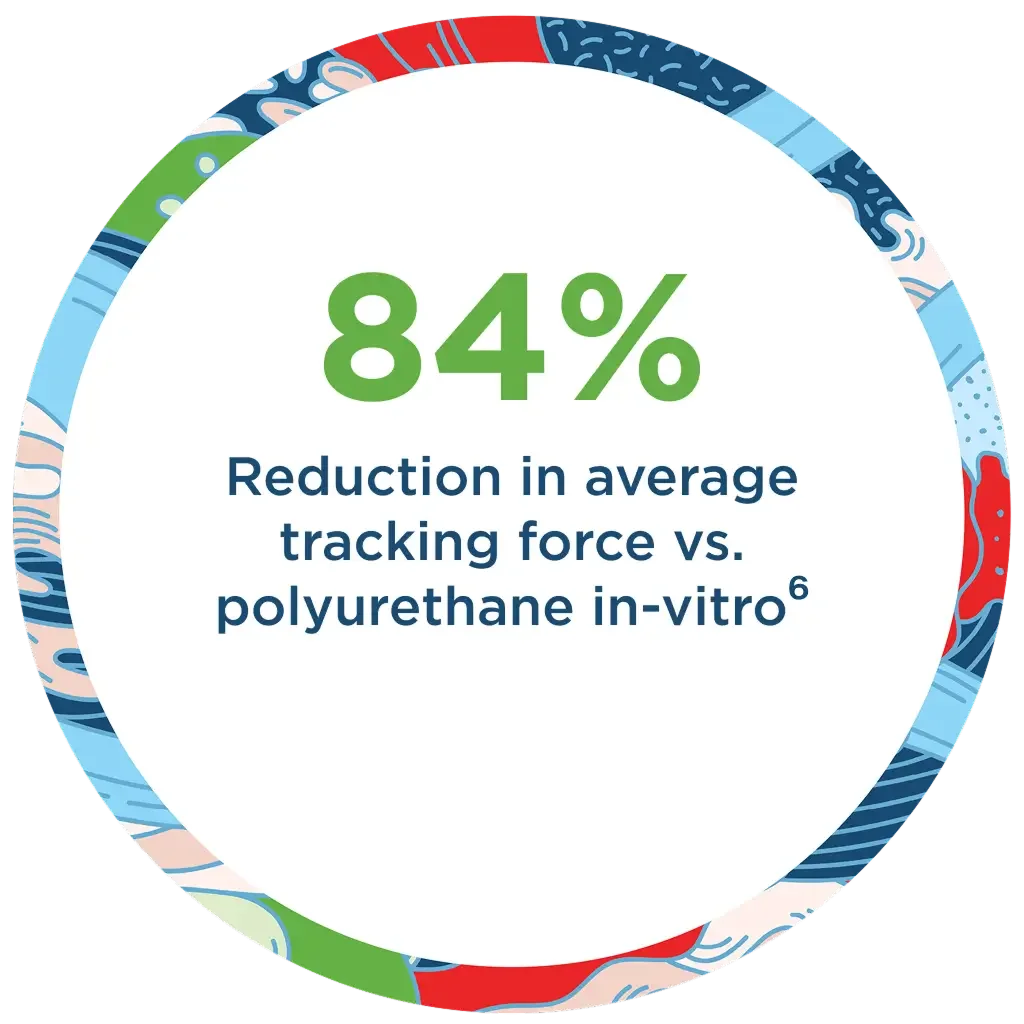
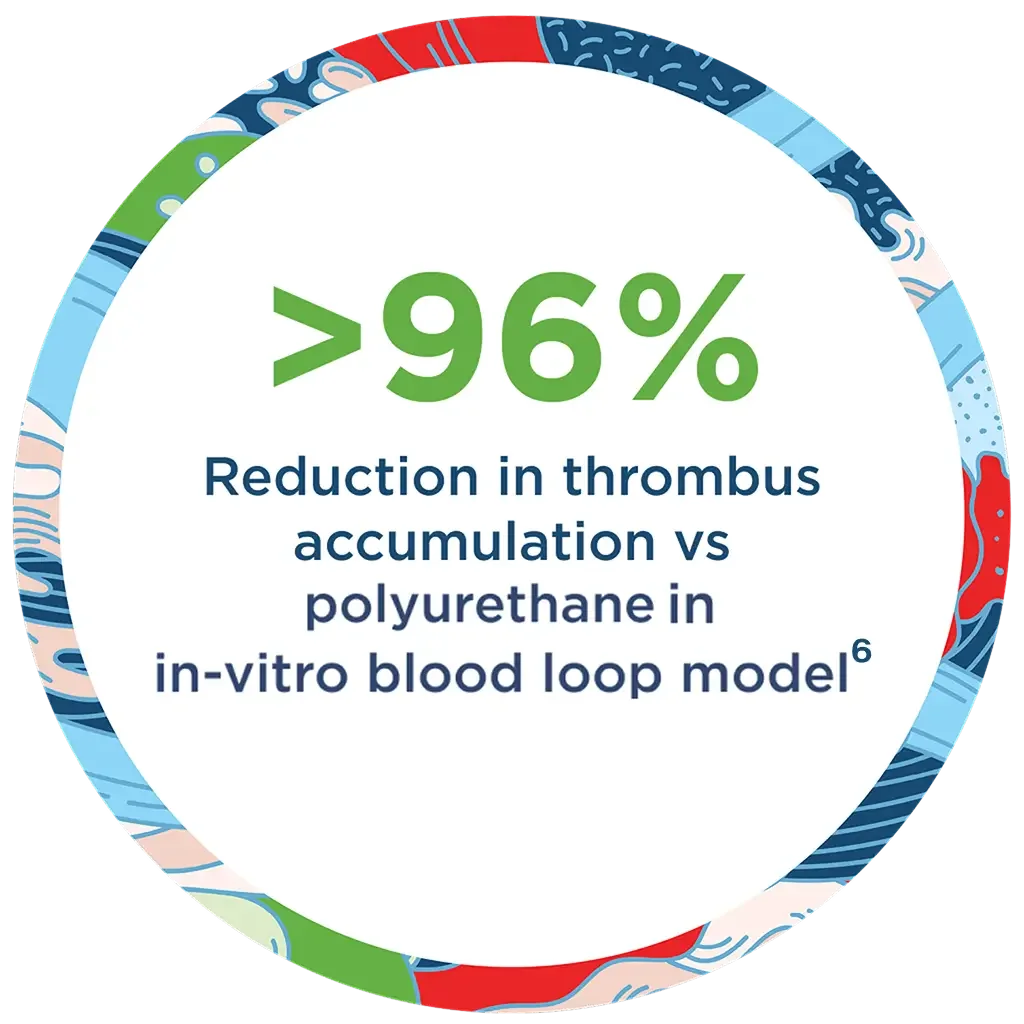

Ready to Reduce Catheter-Related Complications?
Take the first step toward reducing thrombosis and the costly complications that come with it. Learn more about bringing the benefits of MIMIX® technology to your patients.
*FDA 510(k) K243458: includes HydroPICC single-lumen and dual-lumen, and HydroMID single-lumen. The clinical impact has not been evaluated in human clinical trials.
**Pre-clinical in vitro/in vivo evaluations do not necessarily predict clinical performance.
N Engl J Med. 2025 Jan 9;392(2):161-172. doi: 10.1056/NEJMoa2406815.
Int J Nurs Health Care. 2022 Res 5: 1347. doi: 10.29011/2688-9501.101347
Presented at the Infusion Nurses Society Annual Meeting; 2025. Data on file: ML-0499
J Mater Sci Mater Med. 2023 Jul 21;34(7):34. doi: 10.1007/s10856-023-06736-0. Study conducted using the HydroPICC® Single Lumen Catheter.
J Infus Nurs. 2022 Sep-Oct;45(5):270-278. doi: 10.1097/NAN.0000000000000484.
J Mech Behav Biomed Mater. 2023 Mar.139.105670. doi. 10.1016/j.jmbbm.2023.105670.
Study conducted using the HydroPICC® Single Lumen Catheter. Pre-clinical in-vitro evaluations do not necessarily predict clinical performance.J Infus Nurs. 2025 Nov-Dec;48(6):386-394. doi: 10.1097/NAN.0000000000000615. Reduction of thrombus accumulation was evaluated using in vitro models. Pre-clinical in vitro evaluations do no necessarily predict clinical performance with respect to thrombus formation and microbial adhesion.
ML-0538 Rev A
